



Motor Control Centres: Maintenance, Upgrades and Replacements
MCCs are the heart of many industrial electrical systems. Understanding your options when they reach end-of-life — repair, upgrade or full replacement.
// The Asset
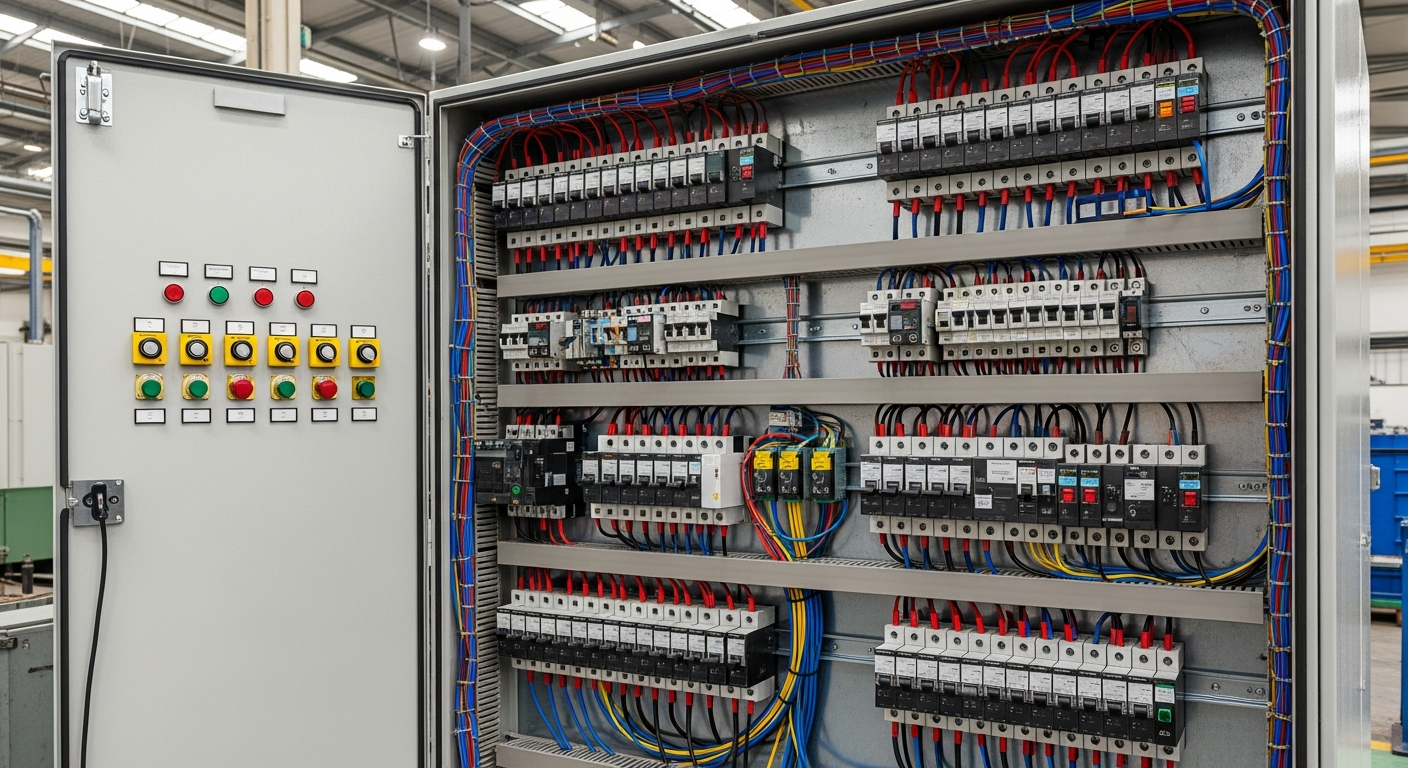
Motor Control Centres are among the most critical and most overlooked assets on an industrial site. They control the motors that drive pumps, conveyors, compressors and process equipment — and when they fail, production stops. Ageing MCC equipment, obsolete components and lack of documentation are among the most common issues we encounter on industrial electrical audits.
Repair, Upgrade or Replace?
The decision depends on the age and condition of the equipment, availability of spares, the risk profile of the installation and the operational demands on the system. Equipment over 25 years old with obsolete components should be considered for full replacement. Partial upgrades can extend the life of an MCC by 10 to 15 years at a fraction of the cost.
“We see the same pattern repeatedly: a site runs an MCC until it fails, then faces an emergency replacement under production pressure. Planned replacement is always cheaper.”
— Con-Tec Industrial Projects Manager
Planning for Minimum Downtime
MCC replacement on a live site requires careful planning around production schedules, temporary power arrangements and phased commissioning. We produce a detailed switching programme and commissioning plan before work begins, identifying critical circuits and agreeing contingency procedures with the site team.
Start with a Condition Assessment
If you're unsure about the condition or future viability of your MCC, a condition assessment is the right starting point. Con-Tec will inspect the switchgear, document the circuit schedule, check component condition and availability of spares, and provide a written report with options and indicative costs.
Related Articles

High-Voltage Substation Upgrades: Planning and Safe Execution
Industrial sites with ageing HV infrastructure face unique challenges. We outline the planning steps and safe systems of work that keep projects on track.

What to Expect from a Commercial Electrical Installation Project
From initial survey through to commissioning — a practical walkthrough of how we approach commercial fit-outs and refurbishments for facilities managers and main contractors.
EICR Explained: Why Your Business Needs One and When
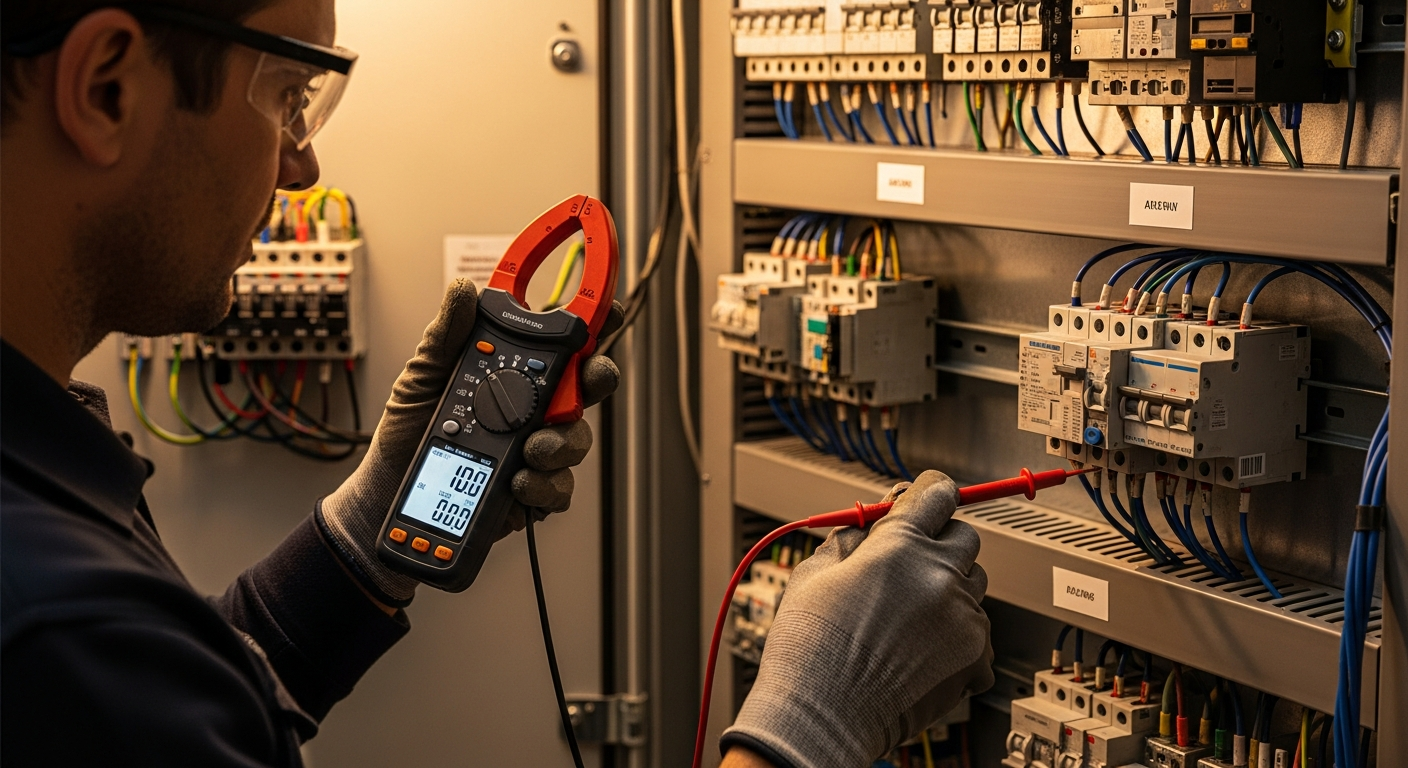
Electrical Installation Condition Reports are a legal requirement for many commercial premises. Here's what the process involves and what a C2 or C3 finding means.
Get a Quote
Ready to Start a Project?
We respond to every commercial and industrial enquiry within one working day. Share your scope and programme and we'll come back with lead engineers, approach and a clear cost envelope.