



EV Charging Infrastructure: Choosing the Right Solution for Your Site
From single-bay workplace chargers to multi-bay public facilities — the key decisions that shape your EV charging project, including grid capacity and smart charging.
// The Landscape
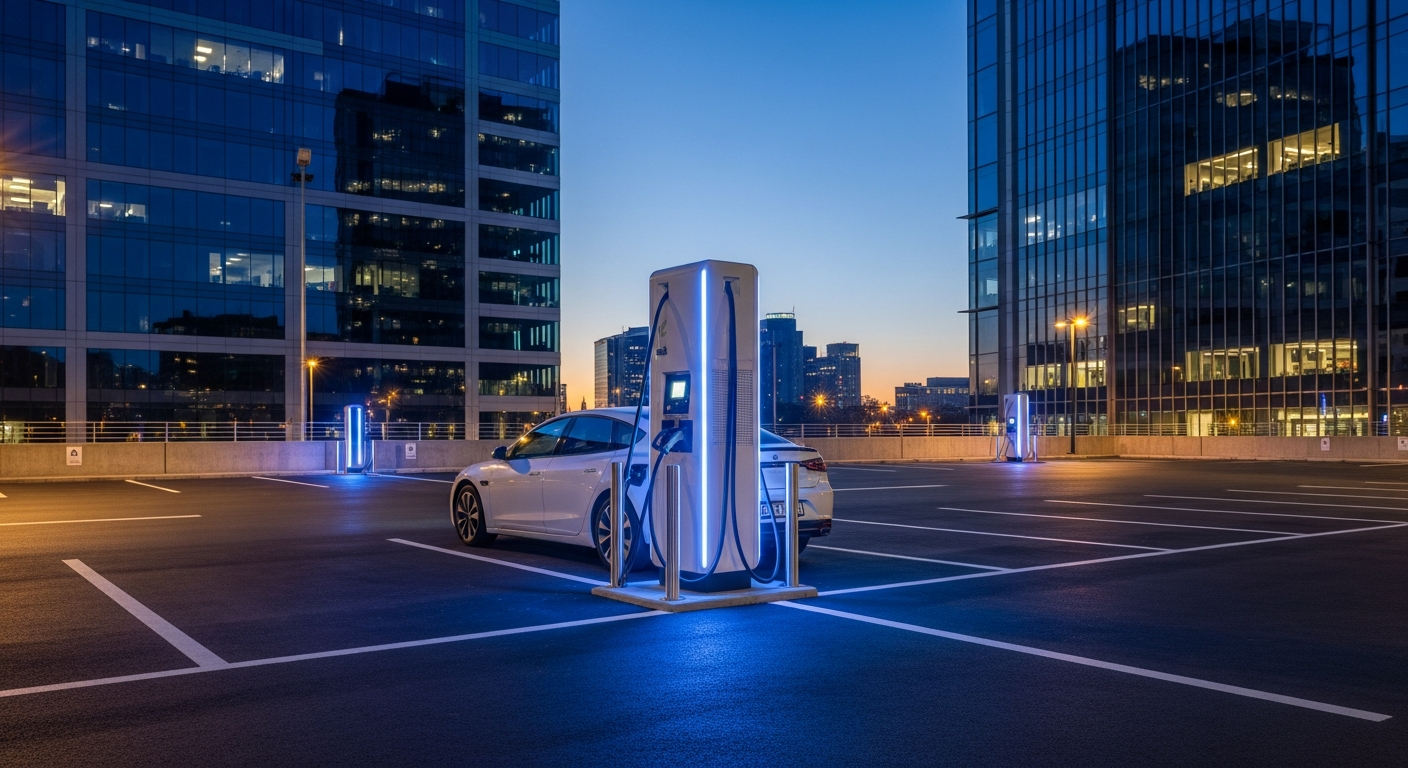
EV charging infrastructure has moved from an optional perk to a business-critical amenity. Whether you're specifying workplace chargers, a retail car park installation or a logistics fleet depot, the technical decisions at the front end of the project will define the cost, scalability and operational effectiveness of the system for years to come.
Grid Capacity: The First Question
Before selecting charger hardware, you need to understand your available grid capacity. Many sites — particularly older commercial premises — cannot support multiple high-power chargers without a Distribution Network Operator upgrade. We carry out a grid capacity assessment as part of every EV project to determine the maximum available load and advise on load management strategies.
“The biggest mistake we see is specifying charger hardware before carrying out a grid assessment. It leads to expensive rework or, worse, a system that can't operate at full capacity.”
— Con-Tec EV Project Specialist
Smart Charging and Load Management
Dynamic load management allows a group of chargers to share available capacity, preventing demand peaks that would otherwise trip protection or exceed grid limits. For fleet depots and high-occupancy car parks, smart charging with back-end software integration provides reporting, billing, access control and remote management.
Related Articles
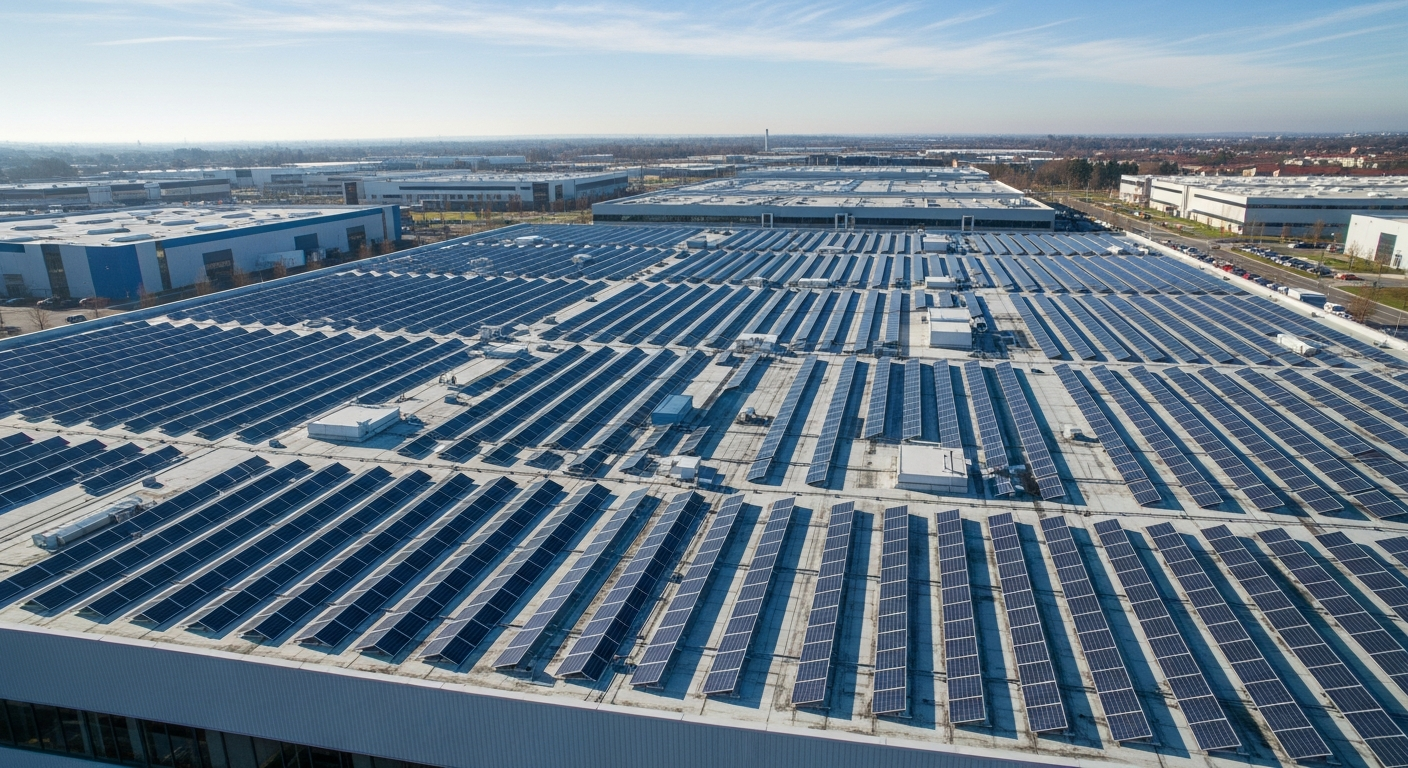
Solar PV for Commercial Rooftops: Is Your Building Ready?
A structural and electrical pre-assessment guide for facilities managers considering rooftop solar — covering orientation, roof loading and DNO approval.

What to Expect from a Commercial Electrical Installation Project
From initial survey through to commissioning — a practical walkthrough of how we approach commercial fit-outs and refurbishments for facilities managers and main contractors.
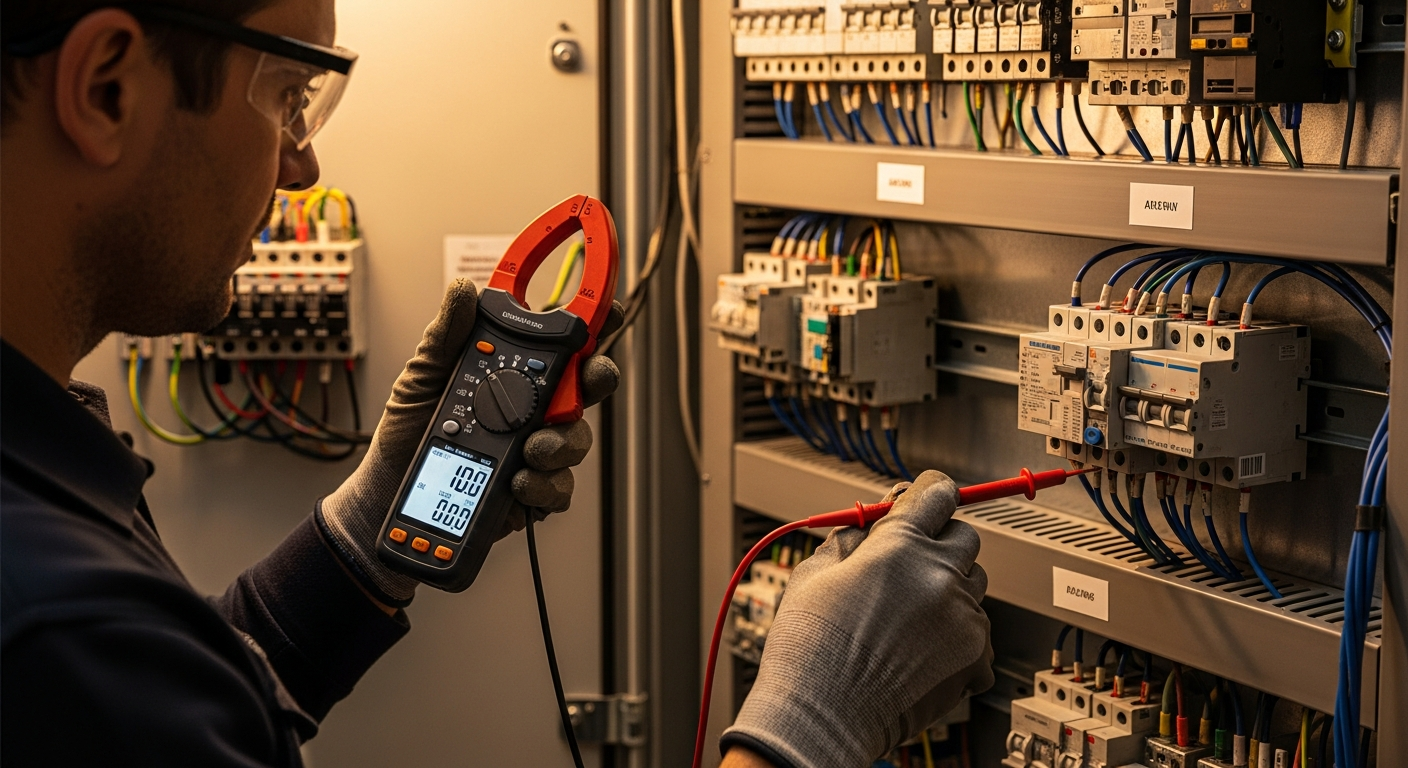
EICR Explained: Why Your Business Needs One and When
Electrical Installation Condition Reports are a legal requirement for many commercial premises. Here's what the process involves and what a C2 or C3 finding means.
Get a Quote
Ready to Start a Project?
We respond to every commercial and industrial enquiry within one working day. Share your scope and programme and we'll come back with lead engineers, approach and a clear cost envelope.