



Solar PV for Commercial Rooftops: Is Your Building Ready?
A structural and electrical pre-assessment guide for facilities managers considering rooftop solar — covering orientation, roof loading and DNO approval.
// The Opportunity
Commercial rooftop solar has never been more commercially attractive. Falling installation costs, rising electricity prices and improved battery storage options mean the payback period for a well-specified system is now typically five to eight years for most commercial buildings.
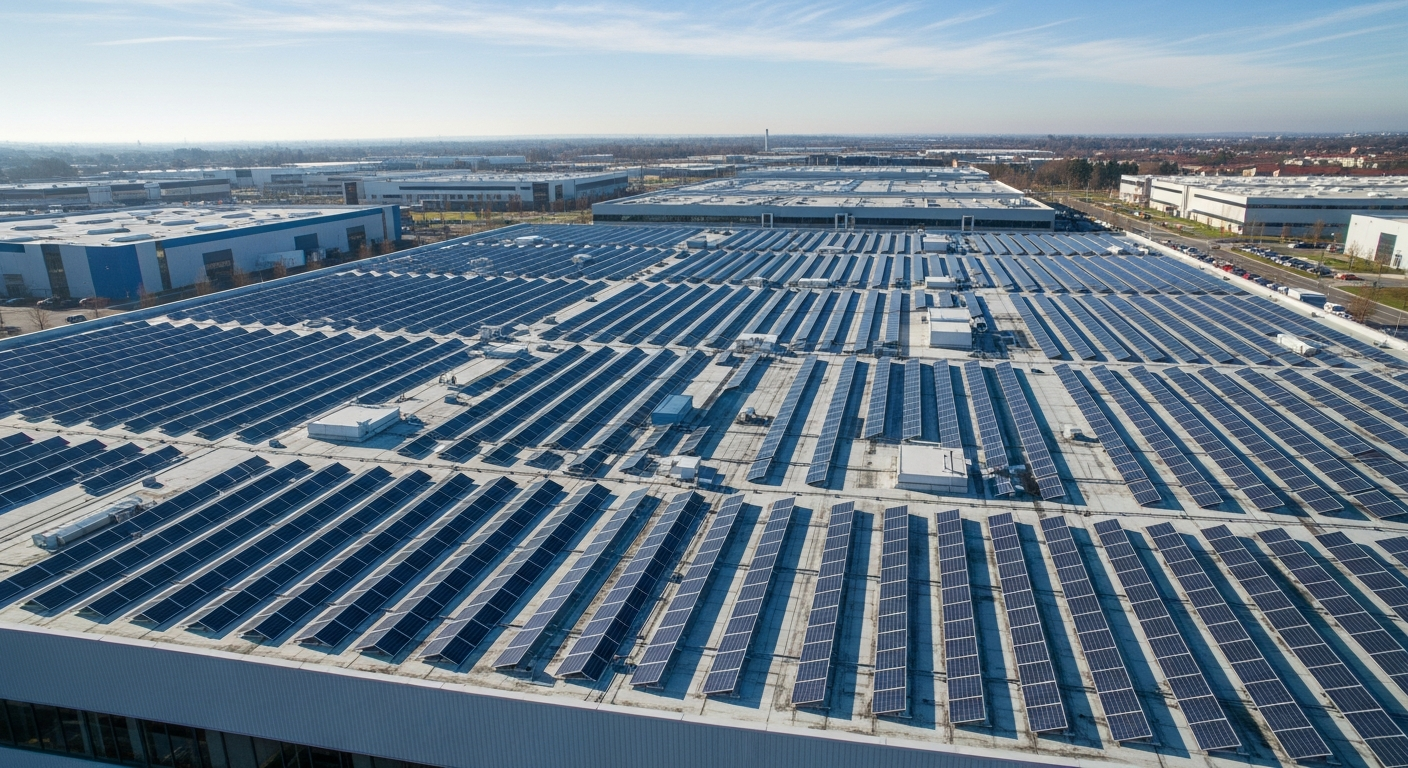
Structural and Orientation Assessment
Solar panels add a significant imposed load to a roof structure. Before any electrical design work begins, a structural engineer should confirm the roof can carry the dead load of the panel system. Orientation and shading are equally important: south-facing roofs with minimal shading will generate significantly more energy than east- or west-facing alternatives.
“The DNO application process is the most commonly underestimated part of a commercial solar project. On larger systems, the grid connection approval can take four to six months.”
— Con-Tec Renewables Engineer
Grid Connection and DNO Approval
Commercial solar systems over 3.68 kW typically require a G99 grid connection application to the Distribution Network Operator. For larger systems this process can take several months and may require reinforcement of the local network at the applicant's cost. We manage the DNO application process on behalf of our clients.
Is Your Building Ready?
If your building has a flat or low-pitch roof with reasonable south or south-west orientation, good structural condition and an incoming electricity supply over 100 A, it's worth commissioning a pre-feasibility assessment. Con-Tec can carry out a combined structural, electrical and DNO pre-assessment to confirm viability.
Related Articles
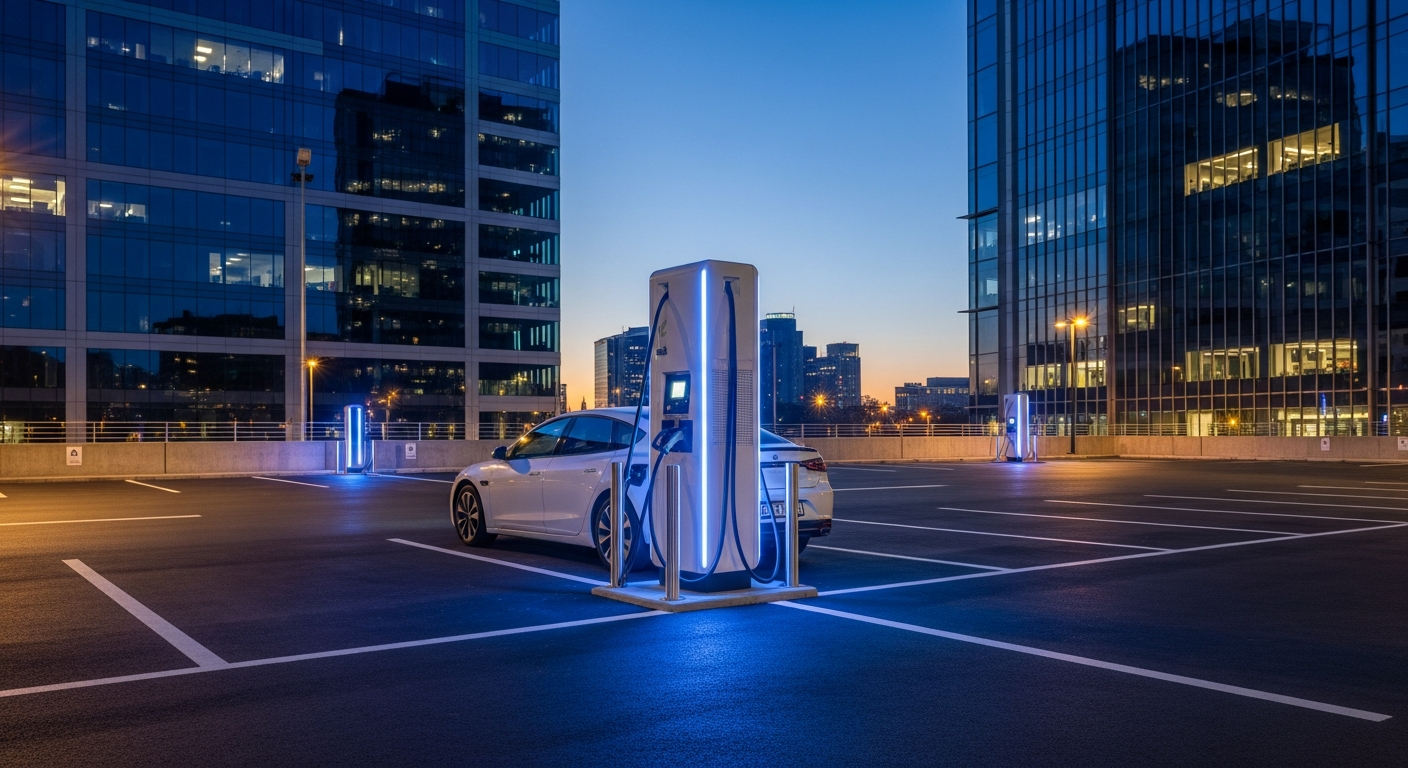
EV Charging Infrastructure: Choosing the Right Solution for Your Site
From single-bay workplace chargers to multi-bay public facilities — the key decisions that shape your EV charging project, including grid capacity and smart charging.
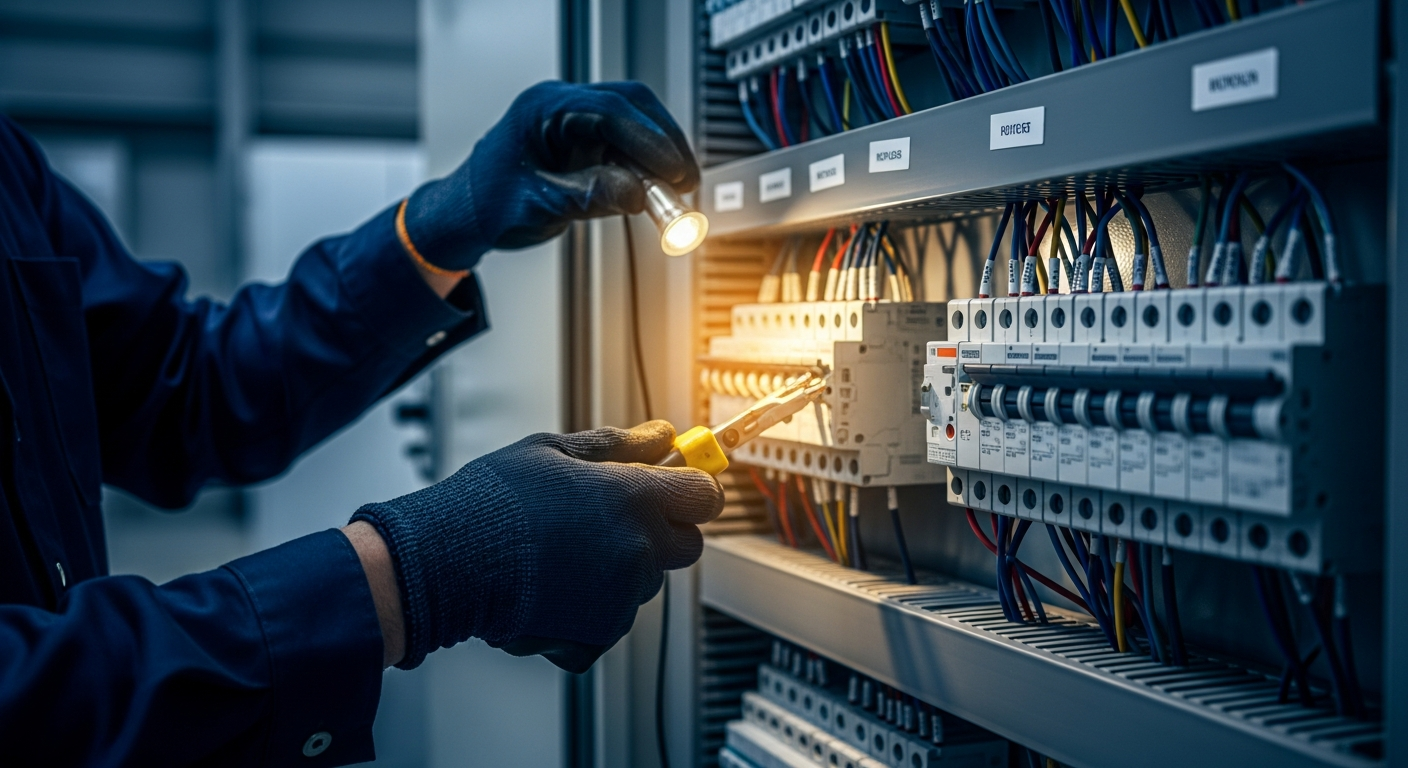
What to Expect from a Commercial Electrical Installation Project
From initial survey through to commissioning — a practical walkthrough of how we approach commercial fit-outs and refurbishments for facilities managers and main contractors.
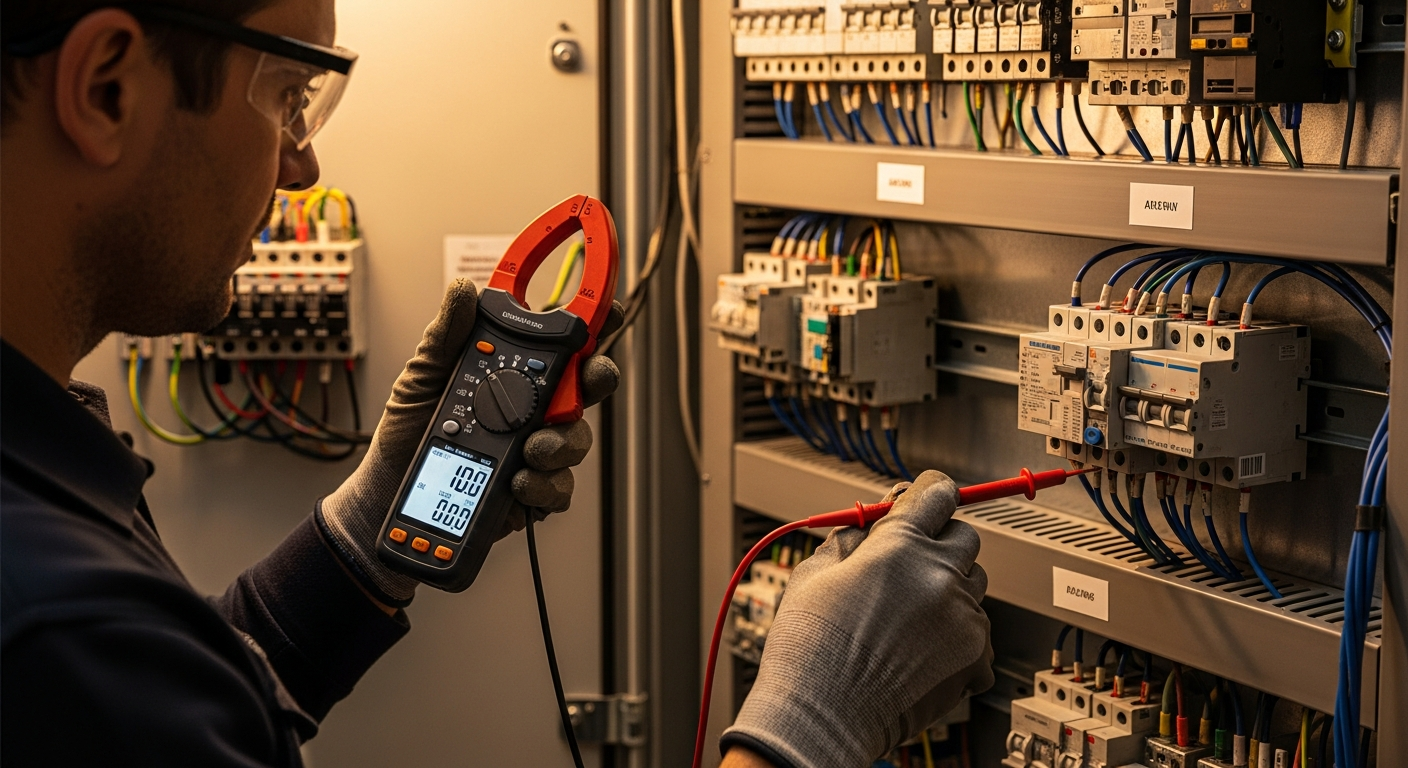
EICR Explained: Why Your Business Needs One and When
Electrical Installation Condition Reports are a legal requirement for many commercial premises. Here's what the process involves and what a C2 or C3 finding means.
Get a Quote
Ready to Start a Project?
We respond to every commercial and industrial enquiry within one working day. Share your scope and programme and we'll come back with lead engineers, approach and a clear cost envelope.